Logistics Automation as a Smart Factory EnablerIncreased efficiency and production flexibility with SAP logistics solutions
27.08.2024 - von Veit Liemen
Lesedauer: 7 Minuten
|
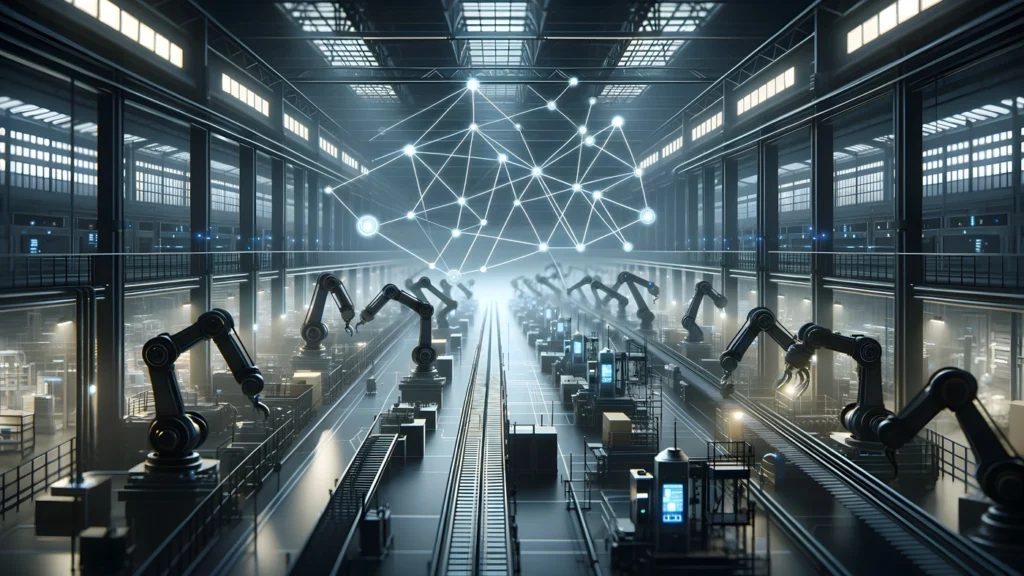
Logistics automation is driving the smart factory forward. Increased efficiency and flexible production environments are enabled by autonomous transport robots, automated high-bay warehouses and networked supply chains. These innovations solve the shortage of skilled workers and optimize warehouse and transport processes.
In order to minimize costs and maximize customer satisfaction, optimal logistics management is of decisive significance. A key component of this transformation process is logistics automation, which acts as a decisive enabler for the realization of the so-called “smart factory”.
The integration of automation technologies into logistics processes is not only an opportunity for companies to increase efficiency. It also serves to create flexible and agile production environments that meet the requirements of the modern market.
The evolution of logistics automation
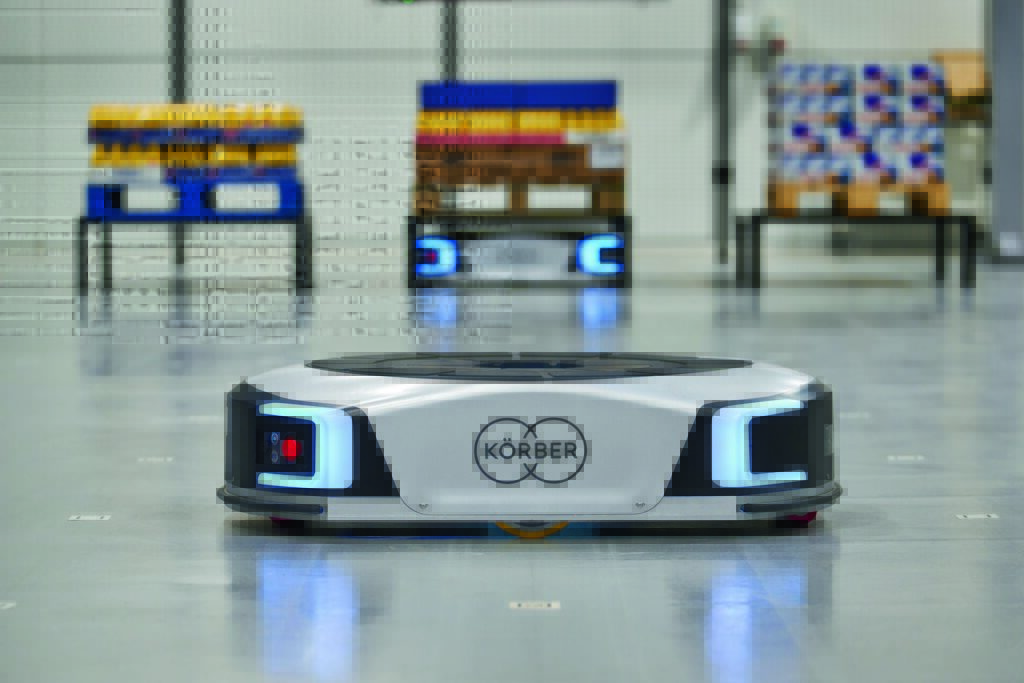
Until now, logistics processes in manufacturing companies have been heavily characterized by manual activities. Warehouses were managed by employees and goods were picked and transported by hand. This quickly led to errors and bottlenecks. However, with the arrival of automated technologies – such as storage and transportation systems – a revolution in logistics began.
Today, automated solutions range from autonomous transport robots and automated high-bay warehouses to fully networked supply chains. These are controlled using data analysis and artificial intelligence. Not only have these technologies improved efficiency and accuracy, they have also opened up new possibilities for optimized production.
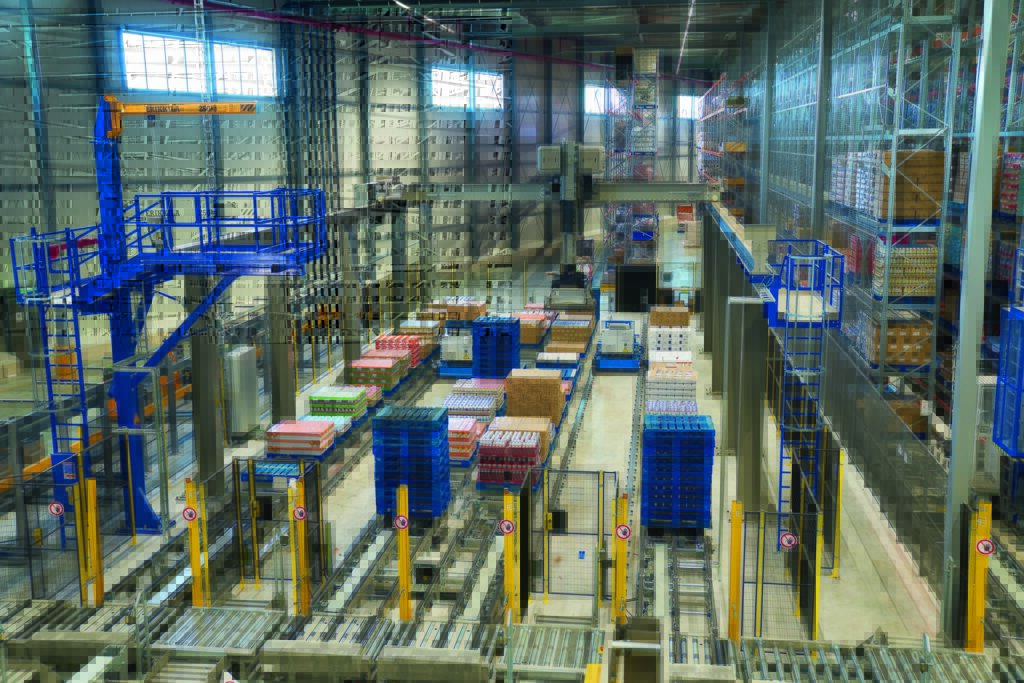
What can logistics automation achieve in the smart factory?
The smart factory is characterized by highly digitized and networked production facilities in which machines, plants and systems communicate with each other and make decisions autonomously. Advanced technologies, such as Artificial Intelligence (AI), the Internet of Things (IoT), robotics, big data analytics and automation, increase efficiency and improve manufacturing processes.
These technologies enable seamless communication and coordination between machines, systems and people within the factory environment. Smart factories aim to optimize production, reduce waste, improve quality assurance and respond quickly to changes in demand or production requirements. They represent the next evolution in manufacturing and use state-of-the-art technologies to achieve higher levels of productivity, flexibility and sustainability.
Logistics automation as a central component
Logistics automation is a central component of such networked production environments. Automating logistics processes enables companies to increase the efficiency and agility of their production lines while improving product quality.
One example of integrating logistics automation into the smart factory is automated material supply. Here, materials are automatically transported from the warehouse to the production line as soon as they are needed. Not only does this reduce machine downtimes, it also minimizes storage space requirements and the associated storage costs.
In addition, logistics automation enables more accurate planning and production control. By monitoring material flows and stock levels in real time, companies can identify bottlenecks at an early stage and take timely action to avoid them. This contributes to optimizing production planning and meeting delivery deadlines reliably.
Key aspects of logistics automation in the smart factory
- Material flow optimization: By using automated conveyor belts, robots and autonomous vehicles, materials can be moved across the production facility more efficiently and faster. This leads to a reduction in wait times and bottlenecks.
- Warehouse management and optimization: Automated warehouses and systems enable precise inventory management. Intelligent algorithms predict demand and ensure that the right materials are available at the right time.
- Automated picking and packing: robots can retrieve products from the warehouse, commission them and pack them. The shipping process is accelerated and human errors are reduced.
- Track & trace systems: The integration of RFID tags and sensors allows companies to track the location and condition of products in real time. This is particularly important for traceability and quality assurance.
- Predictive maintenance: Sensors on machines and conveyor belts monitor condition and performance. If there are signs of wear or malfunctions, maintenance work is scheduled automatically to minimize downtime.
- Efficient route planning: intelligent algorithms optimize the routes for material transport to save time and energy.
Challenges and opportunities
Logistics automation is accompanied by both benefits and challenges. Implementing automated solutions usually requires significant investment in technology and infrastructure as well as extensive training for employees. In addition, companies must ensure the compatibility and interoperability of their systems to ensure seamless integration into the existing production environment.
Nevertheless, the opportunities associated with logistics automation offer considerable potential for manufacturing companies. By optimizing their logistics processes, they can boost their competitiveness, reduce costs and improve the quality of their products at the same time. Automation also enables a faster response to changing market requirements and helps companies become more agile and flexible.
Skills shortage and the smart factory
The shortage of skilled workers makes it difficult for companies to find qualified staff who can meet the increasing demands in logistics. Smart Factory allows these difficulties to be reduced.
Increased efficiency: By using automated machines and robots, repetitive tasks can be carried out allowing skilled workers to concentrate on more demanding activities. This reduces the workload on staff and increases productivity.
Time savings: Automation reduces manual work steps and speeds up production processes. Companies can achieve more with fewer staff.
Knowledge management: Automation makes it possible to capture and store knowledge. When experienced employees leave the company, their know-how is retained in the automated systems.
Predictive maintenance: Predictive maintenance allows machines and systems to be operated more efficiently. This reduces unplanned downtimes and increases availability.
Collaborative robots (cobots): Cobots work safely together with humans and can take on repetitive or dangerous tasks. This relieves the burden on skilled workers and enables more efficient production.
Remote maintenance and remote work: Automated systems can be monitored and maintained remotely. As a result, skilled workers can work more flexibly and minimize bottlenecks.
Artificial Intelligence (AI): AI can support decision-making and process optimization. AI can also help with the training of new employees to facilitate the transfer of knowledge.
Smart factories and automation offer solutions to tackle the shortage of skilled workers. Companies should take advantage of these opportunities in order to remain competitive and successfully master the challenges.
Solutions for the smart factory
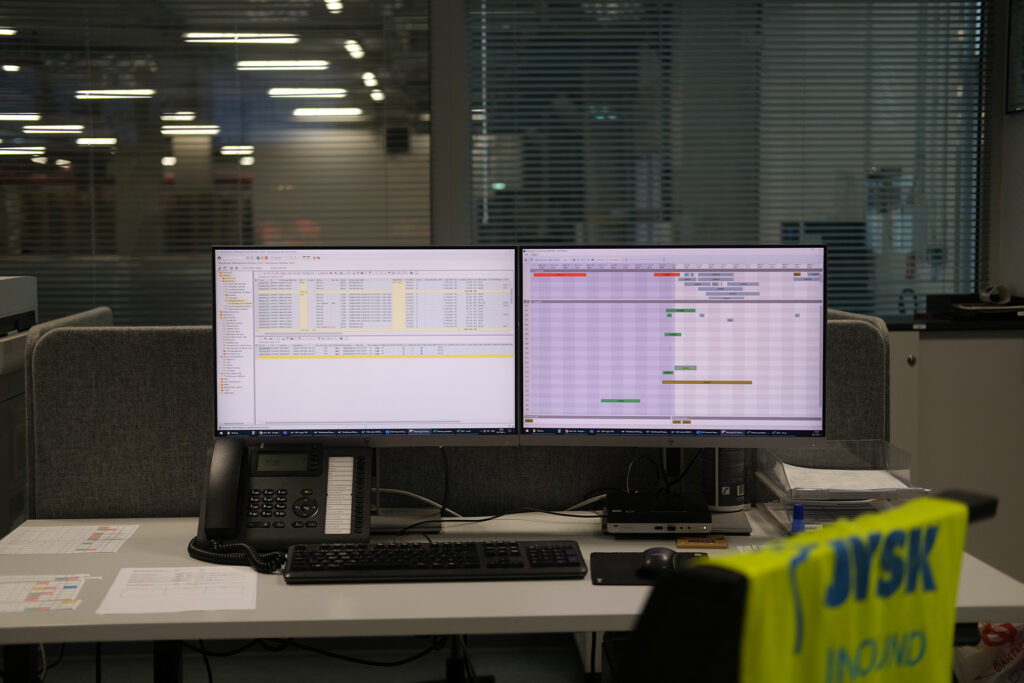
Alongside the necessary hardware, the software solution to be implemented acts as a binding agent, ensuring that everything runs smoothly. Software can support the smart factory in various ways:
Integration of logistics processes: Software enables the seamless integration of warehouse and transportation processes. Movements of goods inside and outside the factory can be managed efficiently.
Optimization of warehousing: Advanced warehouse management functions optimize stock levels and storage space. This contributes to efficient use of space and improves the flow of materials in the factory.
Real-time visibility: Real-time visibility of stock levels, deliveries and transportation enables precise monitoring and control of material flows and logistics processes.
Automation of processes: The automation of warehouse and transportation processes by integrating them with automated material flow systems and vehicles increases the accuracy and efficiency of operational processes.
Resource optimization: By planning and optimizing warehouse and transport activities, resources such as manpower, vehicles and storage capacity are utilized more efficiently.
Predictive analytics: Software provides advanced analytics capabilities that enable companies to identify trends, predict bottlenecks and proactively take action to avoid or minimize problems.
Conclusion
In conclusion, logistics automation plays a crucial role as an enabler for the smart factory. By automating and optimizing logistics processes, companies can become more efficient, flexible and agile and counteract the shortage of skilled workers. The integration of software solutions offers additional support to increase the efficiency of processes and successfully master the challenges of digital transformation. Companies that invest in logistics automation strengthen their competitiveness and position themselves to succeed in the future.
The four most important facts
- New automation technologies ensure optimized production, greater efficiency and accuracy in logistics.
- The next evolution in manufacturing will be characterized by advanced technologies such as AI, IoT, robotics, big data analytics and automation.
- Infrastructural and technical investments as well as staff training are required to apply these solutions in the company.
- Smart factories enable companies to overcome the shortage of skilled workers.
DOI: 10.30844/ERPE.24.4.VL
Ihre Downloads
Potenziale: Prozesse automatisieren
Lösungen: Materialflusssteuerung Prozessoptimierung Warehouse-Management
Branchen: branchenübergreifend Fertigung
Das könnte Sie auch interessieren